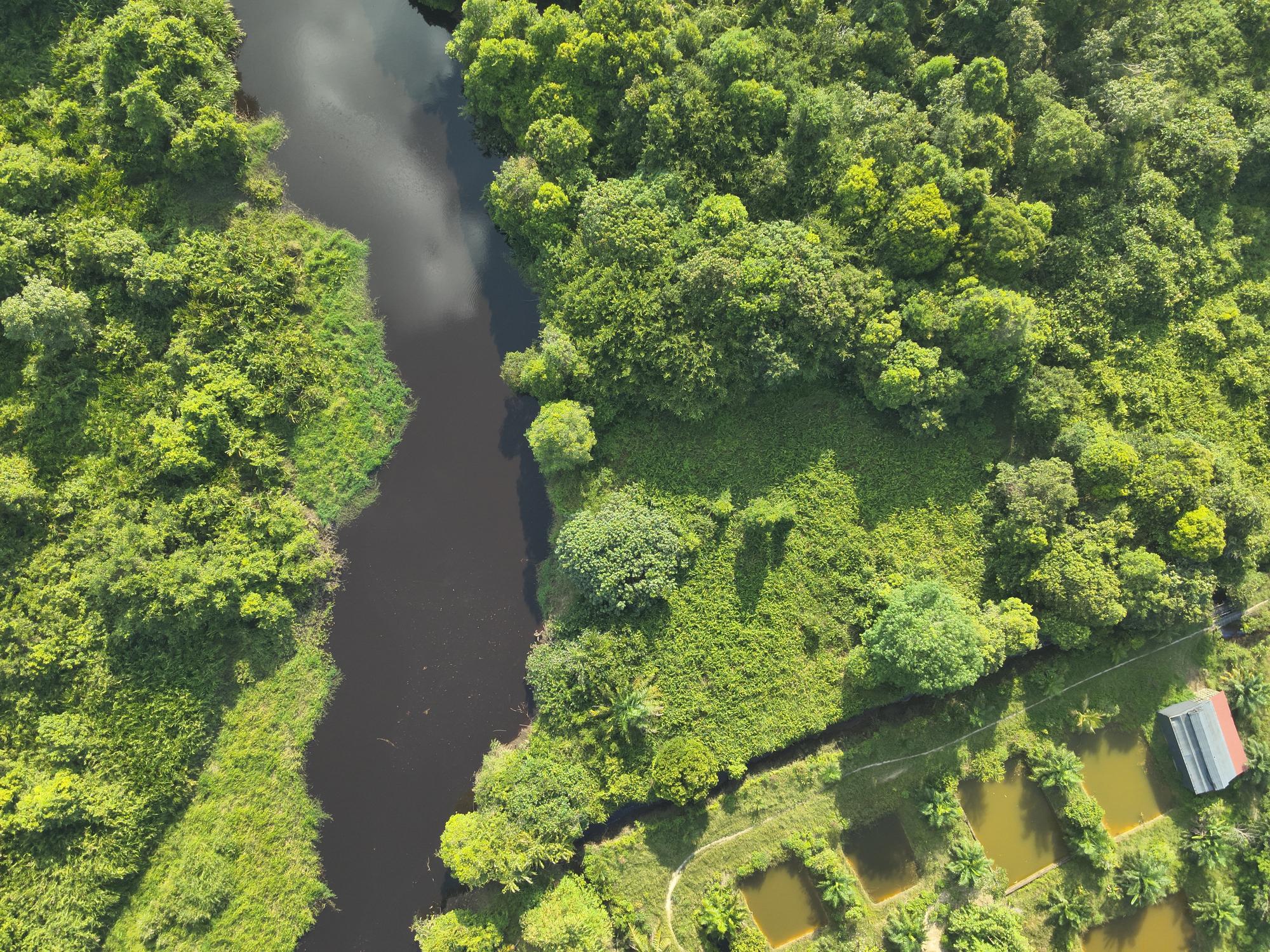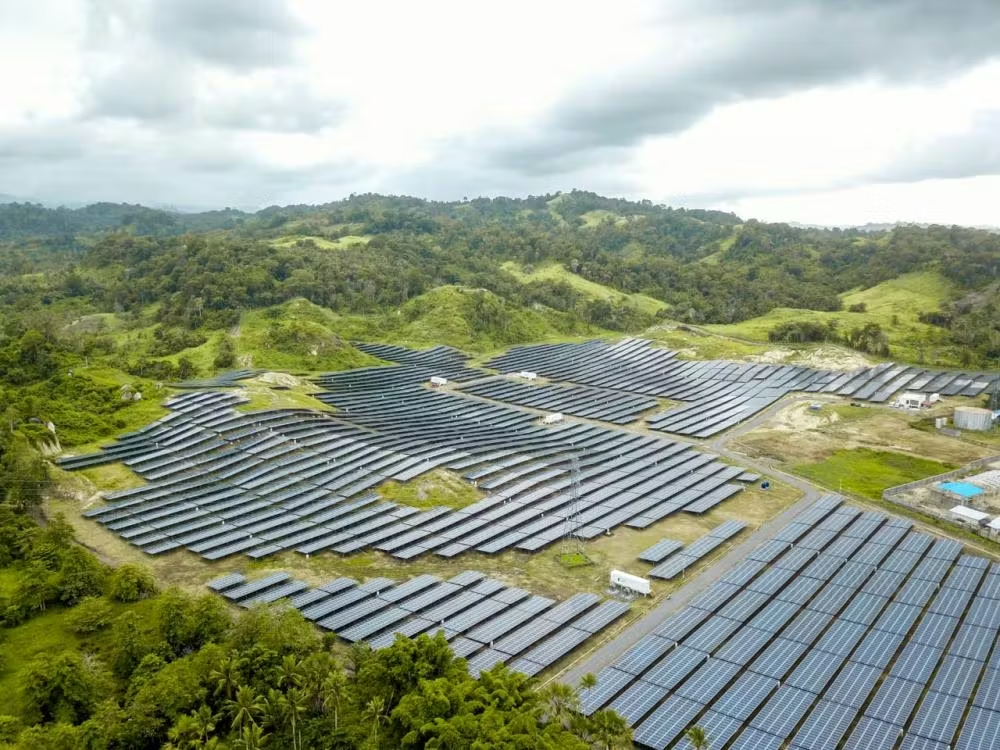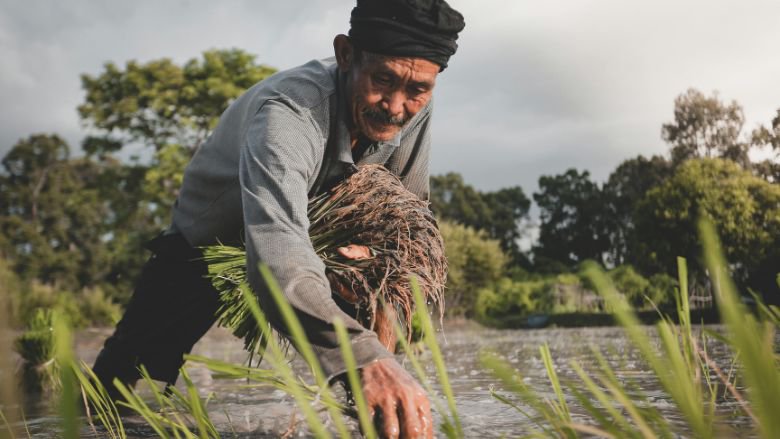
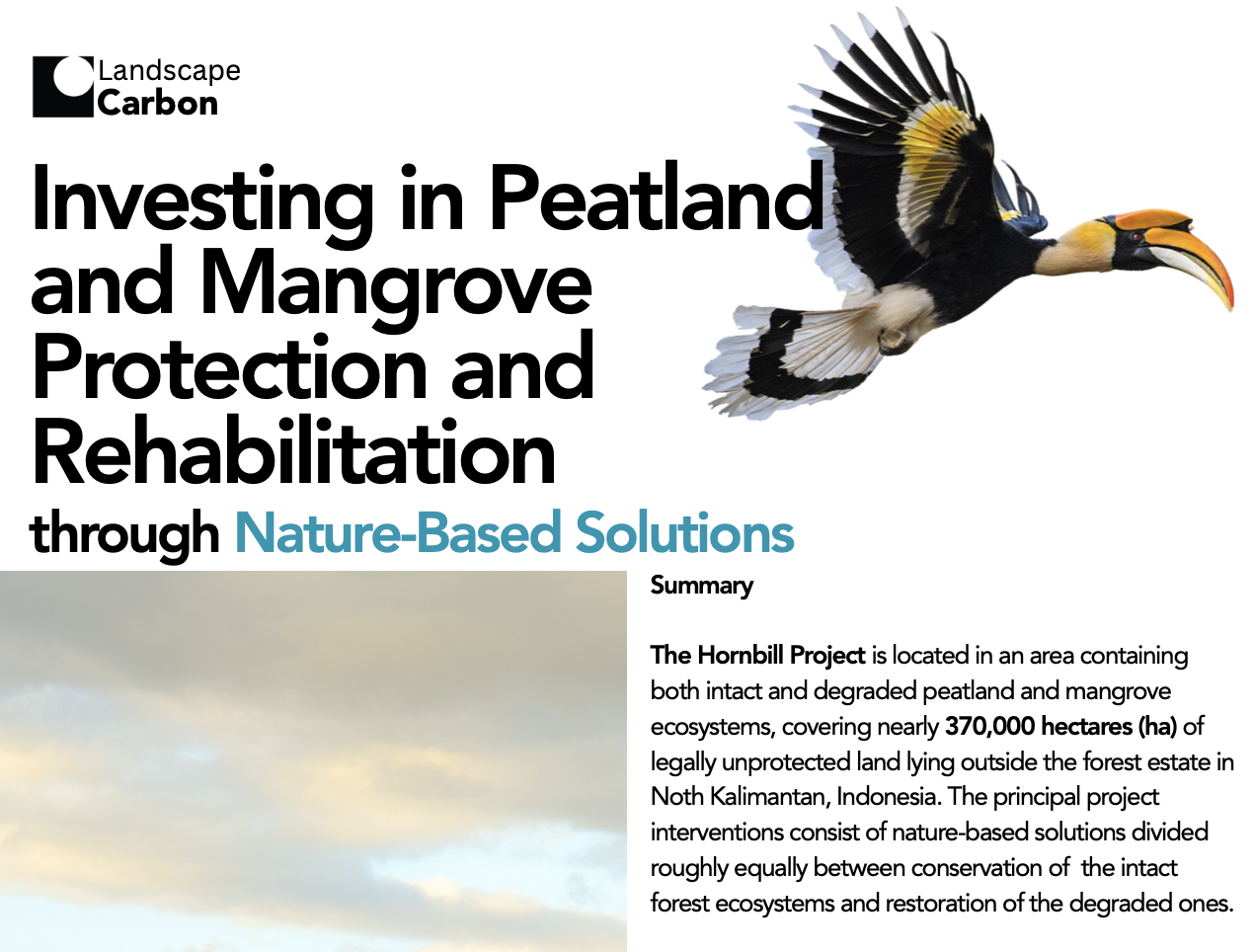
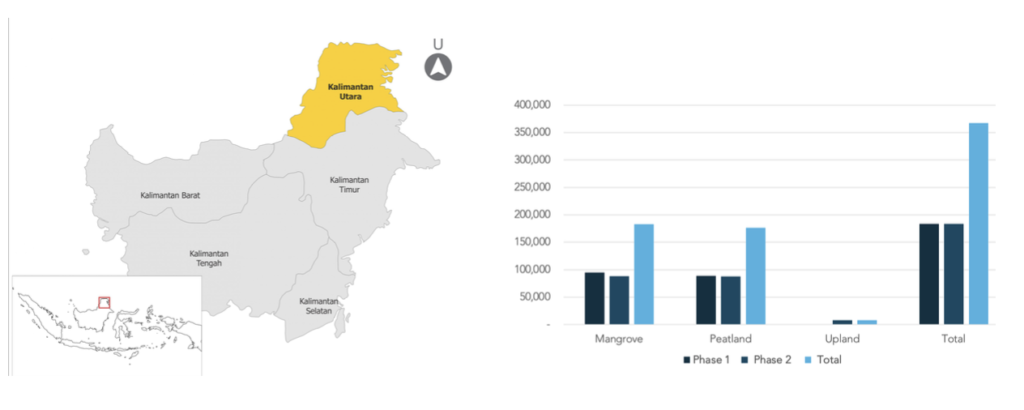
The Hornbill Project is located in an area encompassing both intact and degraded peatland and mangrove ecosystems, covering nearly 370,000 hectares (ha) of legally unprotected land outside the forest estate in North Kalimantan, Indonesia.
The principal project interventions consist of nature-based solutions, divided roughly equally between the conservation of intact forest ecosystems and the restoration of degraded ones.
The project began in 2023 and will run for 40 years, aiming to protect fragile natural ecosystems and diverse endemic species while reducing and avoiding approximately 7.5–8 million tons of CO₂ emissions per year—equivalent to around 300 million tons over the 40-year period.
The Hornbill Project requires about USD 40 million in green financing, potentially including pre-payment for carbon credits, divided into two phases of approximately USD 20 million each. Assuming a conservative carbon price of USD 10 per ton, the project is expected to generate about USD 3 billion in revenue over 40 years, along with approximately USD 300 million in community benefits.
The project will be implemented by a consortium comprising Landscape Carbon Global, a partner company, and a provincially established entity. The direct participation of a state-owned enterprise will help ensure political support and tenure security for the project.
Implementation Plan
The Hornbill Project will be implemented in two phases, focusing on the conservation of intact mangrove and peat swamp forests and the rehabilitation of degraded ecosystems, covering a total area of about 367,000 ha.
- Phase I (approximately 184,000 ha)
- Conservation of 65,000 ha of intact mangroves and 72,000 ha of peat swamp forests
- Rehabilitation of 29,000 ha of degraded mangroves and 16,000 ha of degraded peatlands
- Phase II (commencing 2–3 years later, covering another 184,000 ha)
- Conservation of an additional 6,000 ha of intact mangroves and 11,000 ha of peat swamp forests
- Rehabilitation of 82,000 ha of degraded mangroves, 76,000 ha of degraded peatlands, and 8,000 ha of upland ex-mining sites
Financial Requirement
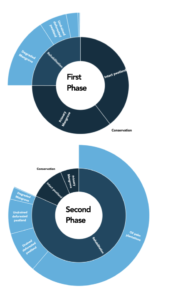
To date, the project proponents have invested approximately USD 2.5 million. They are now seeking USD 40 million in green financing, to be equally divided between the two implementation phases, including pre-payment for future carbon credits to be issued.